
Top-Rated Products For Foundation Repair And Structural Support
Browse high-quality products that help reinforce and repair your foundation for long-term peace of mind.
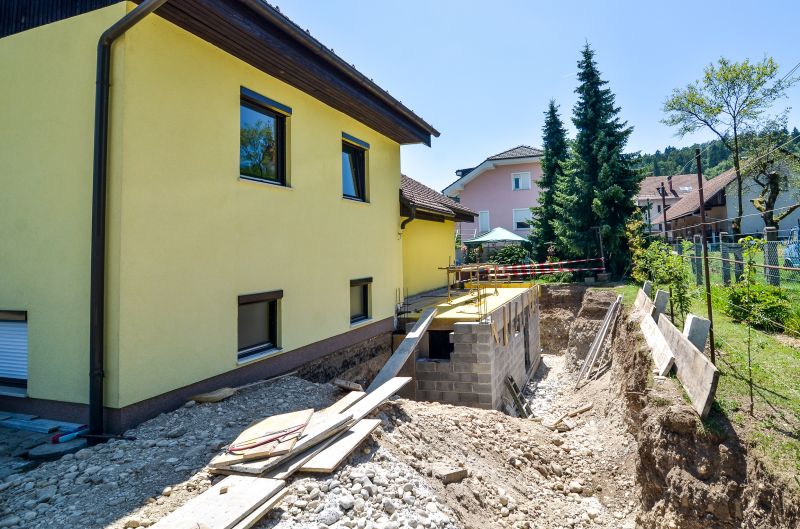 Foundation repairs are an essential aspect of maintaining the structural integrity of a building, especially in areas prone to soil movement or moisture fluctuations. In Saint Cloud, FL, where the soil conditions can vary, selecting the appropriate products for foundation repair is crucial for long-term stability. There are numerous options available, ranging from simple repair kits to advanced underpinning systems, each designed to address specific issues such as cracks, settling, or shifting foundations.
Top Overall Option
Polyurethane Foam Foundation Leveling System
Polyurethane foam systems are versatile and minimally invasive options for addressing foundation cracks and minor settling issues. They expand upon injection, filling gaps and providing immediate stabilization. These systems are known for quick application and minimal disruption to the property, making them a popular choice for localized repairs. They are suitable for concrete slabs and can be used to lift and level uneven surfaces with precision.
Types of Products For Foundation Repairs
Injectable Epoxy Resins
Used to fill cracks and bond damaged concrete, epoxy resins help restore the structural integrity of foundations with minor cracks or surface damage.
Carbon Fiber Reinforcement Strips
Applied to exterior or interior surfaces, these strips reinforce weak areas and prevent further cracking or movement.
Push Piers
Driven into the soil beneath the foundation, push piers provide support for sinking or settling foundations, helping to lift and stabilize.
Helical Piers
Screwed into the ground, helical piers are used for deeper foundation support and are effective in various soil conditions.
Slab Jacking / Mudjacking
This method involves injecting a mixture beneath concrete slabs to lift and level uneven surfaces caused by soil settlement.
Underpinning Systems
Underpinning involves extending the foundation to a more stable soil layer, often using concrete or steel supports.
Soil Stabilization Products
These products improve soil compaction and reduce movement, helping to prevent future foundation issues.
Grout and Mortar Patches
Used for sealing cracks and filling voids, these materials help prevent water infiltration and further damage.
Drainage and Waterproofing Membranes
Installing proper drainage and waterproofing can prevent water-related foundation problems in moisture-prone areas.
Steel Push Piles
These provide robust support for heavily settling foundations, especially in expansive soils.
Concrete Piers
Precast or poured-in-place concrete piers support and stabilize foundation structures.
Anchor Bolts and Wall Reinforcements
Used to stabilize walls and prevent bowing or cracking due to lateral pressure.
Vapor Barriers and Insulation
These help control moisture and temperature fluctuations that can affect foundation stability.
Polyurethane Foam Lift Kits
Designed for quick lifting and leveling of concrete slabs and small foundation sections.
Popular Choices
This versatile system is often selected for its quick application and ability to lift uneven slabs with minimal disruption.
A common choice for supporting sinking foundations, push piers are favored for their strength and durability.
Popular for leveling concrete slabs, this method offers a less invasive alternative to full foundation replacement.
Often used to reinforce cracked walls or floors, carbon fiber strips are valued for their high strength-to-weight ratio.
Chosen for their ability to support deep-set foundations, especially in challenging soil conditions.
Effective in preventing water infiltration, waterproofing membranes are frequently installed in moisture-sensitive areas.
Precast concrete piers are a reliable option for supporting and stabilizing various foundation types.
A common method for sealing and restoring small cracks, epoxy injections are used to prevent further damage.
Popular for preventing future settlement, these products improve soil consistency around the foundation.
Proper drainage systems are often installed to manage water flow and reduce foundation movement.
Understanding the different types of foundation repair products can help homeowners and contractors make informed decisions. Some products are designed for minor cracks and surface-level stabilization, while others are suitable for more significant foundation issues requiring extensive intervention. Proper assessment of the problem, often with the help of a professional, can lead to choosing the most effective solutions.
Safety and durability are paramount when considering foundation repair products. The right products should be compatible with the existing structure, resistant to environmental factors, and capable of providing stable support over time. Regular inspections and maintenance can help ensure the longevity of the repair work, preventing future issues and maintaining the property's value.
Investing in quality foundation repair products can contribute to preserving the structural health of a building. Whether dealing with foundational cracks, settlement, or shifting soil, selecting appropriate tools and materials tailored to the specific needs of the property in Saint Cloud, FL, is essential for effective and lasting repairs.
Key Buying Considerations
- Assess the extent and type of foundation issue to determine the appropriate repair product.
- Consider the soil conditions and moisture levels in Saint Cloud, FL, which can influence product effectiveness.
- Evaluate the compatibility of repair products with the existing foundation materials.
- Prioritize products with proven durability and resistance to environmental factors common in Florida.
- Determine whether the repair requires a temporary fix or a long-term solution.
- Check for ease of application and whether professional installation is recommended.
- Review warranty options and manufacturer support for the chosen products.
- Consider the potential for future movement or settlement when selecting support systems.
- Factor in the property's age and structural design to select suitable repair methods.
- Ensure that the repair products meet local building codes and standards.
- Estimate the overall cost and compare different options for value and effectiveness.
- Look into the availability of replacement parts or additional materials for ongoing maintenance.
- Think about the impact of repair work on your property's daily use and access.
- Consult with a foundation specialist or structural engineer if uncertain about the best approach.
- Research customer reviews and product ratings to gauge reliability and satisfaction.
This content contains affiliate links. We may earn a commission if you purchase through these links, which helps support our work and provides you with valuable resources.